Importing Chinese cars is increasingly popular among North African dealers and businesses. Chinese vehicles offer affordable prices, wide model choices (SUVs, pickups, EVs) and fit local market needs. Yet the import process involves complex regulations, paperwork and quality checks that affect your investment. This full checklist helps you avoid costly errors, delays and compliance issues before importing.
1. Compliance with Local Import Regulations & Policies
The most important step is ensuring your imported cars meet your North African country’s regulations. Rules differ greatly across the region, and non-compliance can result in seized goods, heavy fines or banned registration.
- North African Markets: Regulations vary widely across North Africa, especially in Egypt, Algeria, Morocco, Tunisia and Libya. Egypt uses left-hand drive, requires Euro 4+ emissions and transport ministry approval. Algeria sets import quotas and demands ISO/ECE safety certifications. Morocco restricts vehicles to under 5 years old and requires a conformity certificate. Tunisia applies duties based on vehicle type and engine size. Libya follows special customs procedures. Always confirm rules with local customs and transport authorities.
2. Essential Certifications & Documentation
Chinese car exporters must provide valid certifications to prove the vehicles meet international and local standards. Missing or fake documents are a common pitfall that can delay your shipment or invalidate your import.
- Certifications: Require the exporter to provide a **Certificate of Origin (CO)** to confirm China manufacturing, essential for tariff calculations. For EVs, confirm a valid **export license** (required for pure electric passenger cars from 2026). Also secure ISO, ECE safety, and GCC certifications for MENA markets.
- Vin Verification: Verify that the VIN matches on all documents (CO, invoice, bill of lading) and the vehicle itself. Check the VIN plate for tampering to avoid fraud or illegal modifications.
- Import Documentation: Prepare required local documents: commercial invoice, bill of lading, packing list, import declaration. North African markets may need extra papers: Egypt requires CoC and emission proof; Algeria needs customs declaration and import license. A power of attorney is required if using a customs broker.
3. Vehicle Quality & Suitability for Your Market
Not all Chinese car models suit North Africa’s roads, climate and consumer preferences. Inspect quality carefully to meet local demand in Egypt, Algeria, Morocco, Tunisia and Libya.
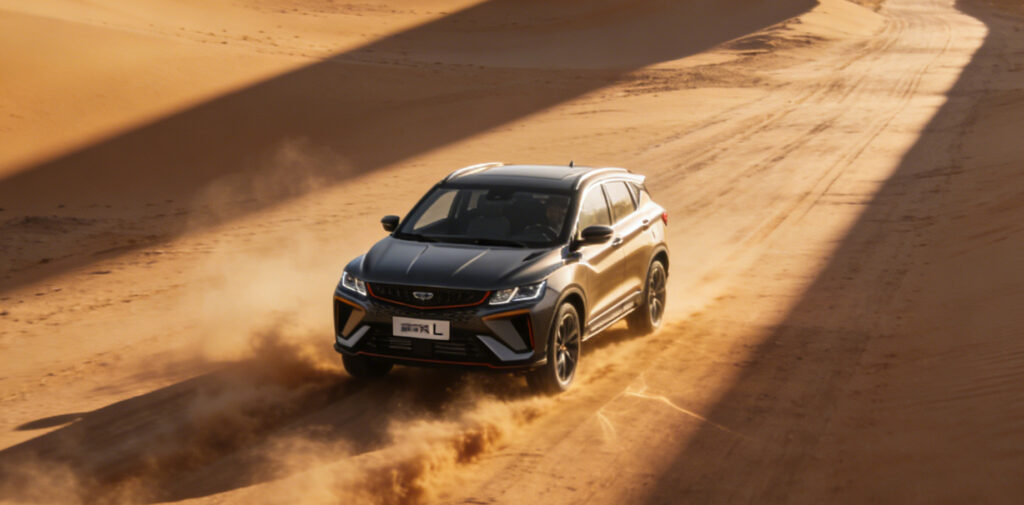
- Climate & Road Adaptability: North Africa has hot, dry weather, desert terrain, and mixed paved/unpaved roads, requiring specially adapted vehicles. Select models with sturdy suspensions, heat-resistant interiors, efficient cooling systems, and corrosion-resistant bodies. Ask the exporter about chassis reinforcements and heat‑protection parts designed for North African conditions.
- Mechanical & Quality Inspection: Request a pre-shipment inspection (PSI) to verify the vehicle’s condition. Check for mechanical issues, rust, or damage—pay special attention to the engine, transmission, brakes, and undercarriage. If possible, hire a third-party inspector to ensure impartiality. For used cars (if importing), obtain a vehicle history report to check for accidents or major repairs.
- Spare Parts Availability: Ensure spare parts for the imported models are easily accessible in your country. A lack of spare parts will hurt customer satisfaction and your business reputation. Ask the exporter about their spare parts supply chain or partnerships with local distributors.

4. Cost Calculations: Taxes, Duties & Additional Fees
Importing Chinese cars involves more costs than just the purchase price. Miscalculating these costs can eat into your profit margins, so it’s essential to factor in all expenses upfront.
- Import Duties & Taxes:Duties and taxes differ widely across North Africa, so accurate cost planning is essential for profit margins. Key market details:
- Egypt:Tariffs depend on vehicle type and engine size. EVs are tariff‑free with only 14% VAT, boosting Chinese EV imports. Fuel cars face 40%–135% tariffs, plus VAT on CIF, tariff and development fee.
- Algeria:Standard vehicle tariff is 2%, plus 19% VAT. Taxes are now calculated on the exporter’s invoice, cutting tariffs by up to 40% for Chinese cars imports. Small extra fees may apply.
- Tunisia:2026 reforms incentivize green vehicles: EVs and qualified PHEVs are exempt from consumption tax, with VAT cut to 7%. Tariffs for standard fuel cars vary by class and engine size.
- Morocco & Libya:Morocco sets tariffs by vehicle age and type, with VAT and restrictions on cars over 5 years old. Libya’s tariffs vary by vehicle; confirm latest rates locally. Always verify current duties, as policies such as China’s May 1, 2026 zero‑tariff plan for Africa may affect costs.
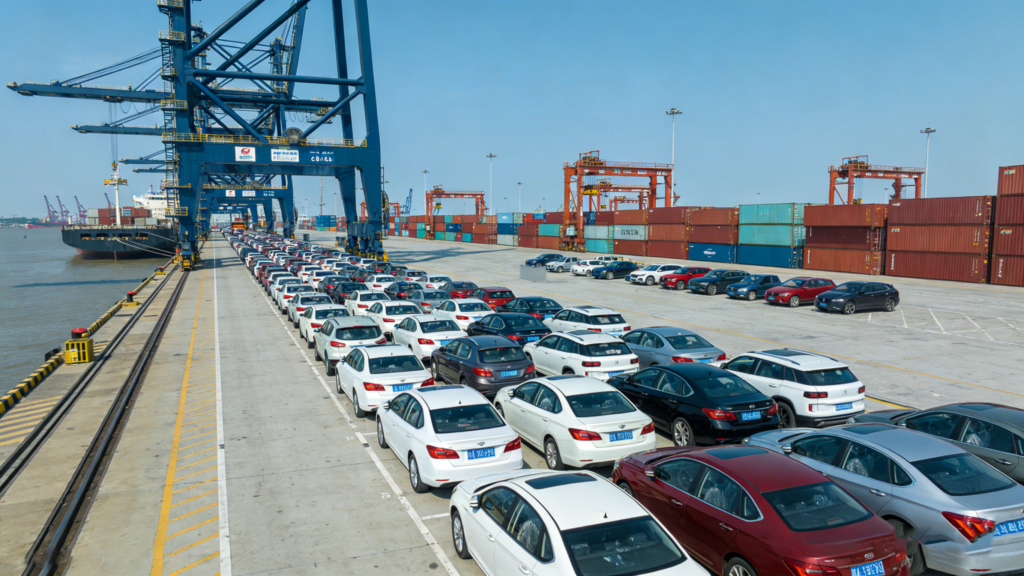
- Shipping & Logistics Fees: Calculate shipping from Chinese ports (Shanghai, Shenzhen) to North African ports (Alexandria, Algiers, etc.). Include ocean freight, insurance, port handling and inland transport. Use an experienced logistics partner for vehicle shipments to avoid delays.
- Other Fees:Plan for inspection, registration and any modification costs to meet local standards. For non-conforming vehicles, you may need to pay for modifications and a bond to ensure compliance within a specified period.
5. Exporter Reliability & After-Sales Support
Choosing a trustworthy Chinese car exporter is key to a smooth import process. A reliable exporter will help you navigate regulations, provide genuine documents, and offer after-sales support.
- Verify Exporter Credentials:Verify the exporter is a registered company with export experience in your market. Ask for references, past export records, and customer testimonials. Avoid working with unregistered exporters or those who cannot provide valid certifications—this is a common red flag for fraud.
- After-Sales Service: Confirm the exporter offers a warranty (at least 6–12 months) and after-sales support. This includes assistance with mechanical issues, spare parts supply, and technical guidance. A good exporter will also help you resolve any problems with the shipment or vehicle quality.
- Communication & Transparency: Ensure the exporter communicates clearly and promptly. They should provide regular shipment updates, answer inquiries, and be transparent on costs, lead times and potential issues. Avoid exporters who are vague about details or refuse to provide documentation.
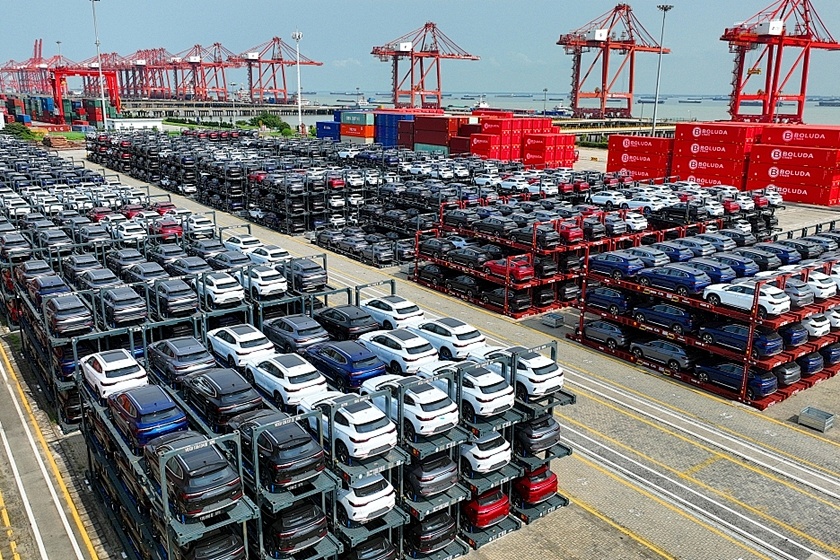
6. Final Pre-Shipment Checks
Before the vehicles are shipped, conduct a final review to avoid last-minute mistakes:
- Recheck all documents to ensure they are complete, accurate, and valid.
- Confirm the vehicle specifications (model, drive type, color, features) match your order.
- Verify the shipment details (port of origin, destination port, shipping date) with the exporter.
- Ensure the vehicles are properly packed and protected for shipping to avoid damage.
7.Contact us to purchase cheap Chinese cars
Email: mingfelix484@gmail.com
WhatsApp: +86 15310235923
Web: zhongqingintl.com
Get the latest quotation, configuration list, and cooperation plan for Livan X3 PRO. We will reply to you within 24 hours.